Our Story
Turning pain into purpose
Fairer Exams began with my family’s experience of a system that felt impossible to navigate.
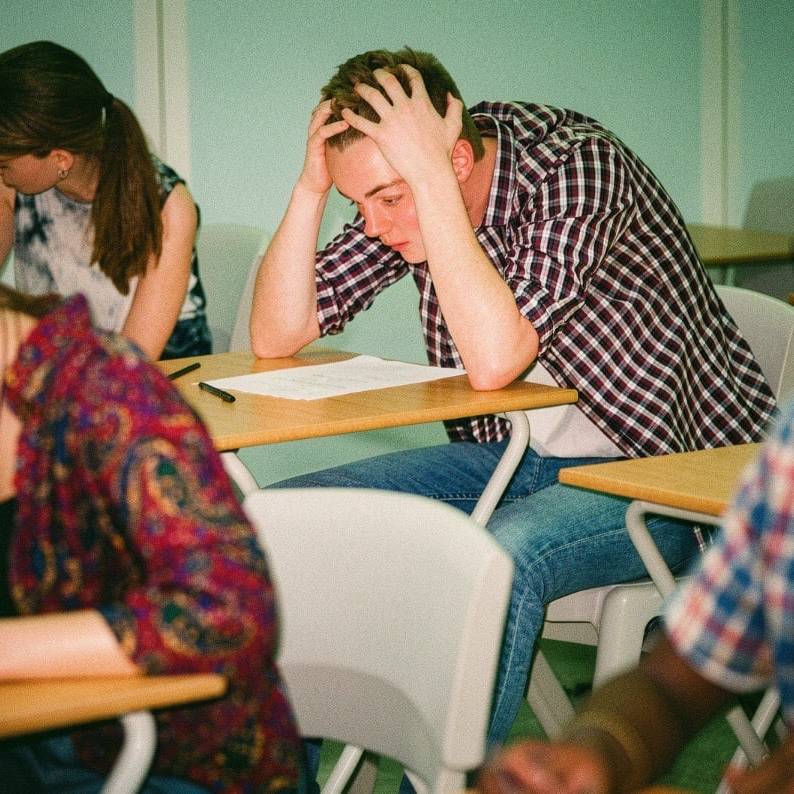
My name is Hannah. I am a mum of three children, two of whom are dyslexic. My middle child, had always worked hard at school. His reports were strong, his effort grades were consistently good, and he cared deeply about doing well.
Then he failed his GCSE English and maths by the smallest of margins.
One mark in maths. Two marks in English. Those few marks changed everything.
Without grade 4s in English and maths, he could not move on to the Level 3 course he wanted to do at college. I took in his school reports, explained how hard he had worked, and showed how close he had been.
The answer was still no. Instead, he had to sit another Level 2 BTEC in sport, which he already had, while re-sitting GCSE English and maths.
It was devastating for him, and it changed the way I saw the whole system.
The statistics I wish I had known
When he had to resit, I started researching how many young people actually pass GCSE English and maths the second time around.
I could not believe how low the resit pass rate was. It averages 21%.
Then I looked at how many young people achieve grade 4 or above in both English and maths in the first place, and discovered that around 1 in 3 fail.
Then I looked at who was most likely to miss out, and found that only around 3 in 10 pupils with SEN achieve grade 4 or above in English and maths.
No one had ever told me that. Not once.
If I had known earlier that the statistics were stacked against him this badly, I would have made different decisions.
Instead, we kept going, believing that because he had only missed out by a couple of marks, surely next time he would pass.
But he didn’t.



When everything got harder
He developed EBSA (emotionally based school avoidance), and for a long time he refused to go to college or school.
It was a horrendously dark time.
I remember sitting in the school car park crying, and seeing I was not the only parent doing the same.
In the middle of that, I started writing my TEDx talk.
At first, it gave me somewhere to put all the frustration and helplessness I was feeling. But the more I researched, the more I felt like I had uncovered something hiding in plain sight.
When I told people outside the education system what I was speaking about, they were shocked by the statistics.
How could so many young people be missing the gateway grade every year, and yet so many families only discover how serious the problem is once their own child is caught in it?
Once I knew the numbers, I could not unknow them.

The discovery that changed the solution
As I researched the talk, I discovered Functional Skills.
Functional Skills are practical English and maths qualifications. At Level 2, they are widely treated as an equivalent level to a GCSE grade 4/C for many purposes, but they assess the skills in a more applied, real-world way.
They are also criterion reference marked, a bit like a driving test. You either know the knowledge and you pass or you don’t and you fail, it doesn’t matter how many other people pass or fail. This is different to GCSE’s.
The pass rates for Functional skills were far higher than GCSE resits. Same children. Different format. More pass.
I could not understand why I had never been clearly told about them, despite being heavily involved in my sons education.
And I could not understand why, if this more applied format helps so many learners succeed, it is still hidden behind GCSE failure, still carries stigma, and is not accepted by every university, employer or training route.
That was the moment the solution became clear.
Why are we not integrating the Functional Skills approach into foundation GCSE English and maths?

From a TEDx talk to a movement
That question became part of my TEDx Royal Tunbridge Wells talk, How education became a rigged race.
In the talk, I shared my sons story, the statistics I wish I had known, and the simple reform that now sits at the heart of Fairer Exams: build the applied Functional Skills approach into foundation GCSE English and maths, up to grade 4.
Not as a new qualification. Not as a lower standard. Not as a consolation prize after failure.
Inside the GCSE.
After the talk, I had to wait around eight weeks for the final TEDx edit to be released. But during that time, life did not pause.
On the morning of my sons 3rd English Language GCSE resit, everything fell apart. It was the day from hell.
He refused to eat. He refused to go into the exam. The stress, pressure and fear of going through it all again were overwhelming.
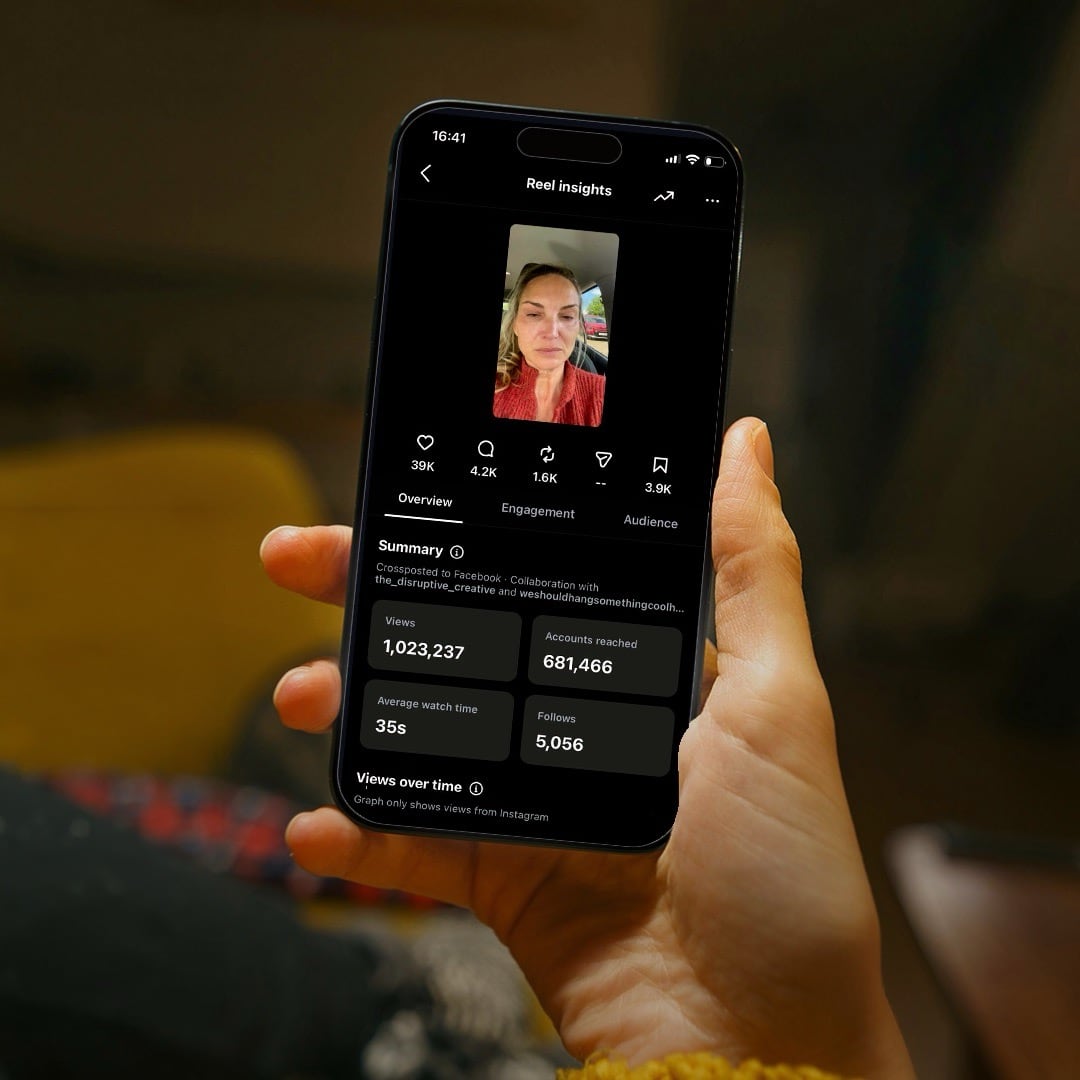
After finally dropping him off, I sat in my car and recorded a video.
I was crying my eyes out, trying to explain what this system was doing to my son, and what it was doing to thousands of other young people.
I posted it on Instagram. That video went viral.
It has now been watched more than one million times and received over 5,000 comments. Parents, young people, teachers and professionals began sharing their own stories.
Different families. Different schools. Different children. But the same message: This is happening everywhere.
That is when Fairer Exams became a campaign.

Why we are doing this now
There are many brilliant people already campaigning for education reform, and there are major reviews taking place.
Those conversations matter.
But big system change can take years.
Fairer Exams is focused on one practical change that could happen much sooner: integrate the applied Functional Skills approach into foundation GCSE English and maths, up to grade 4.
It will not fix every problem in education.
But it would make the gateway fairer for thousands of young people.
And for the many families like mine, that could change everything.